Dossier 01
Frontier Model Evaluations & Benchmark Integrity
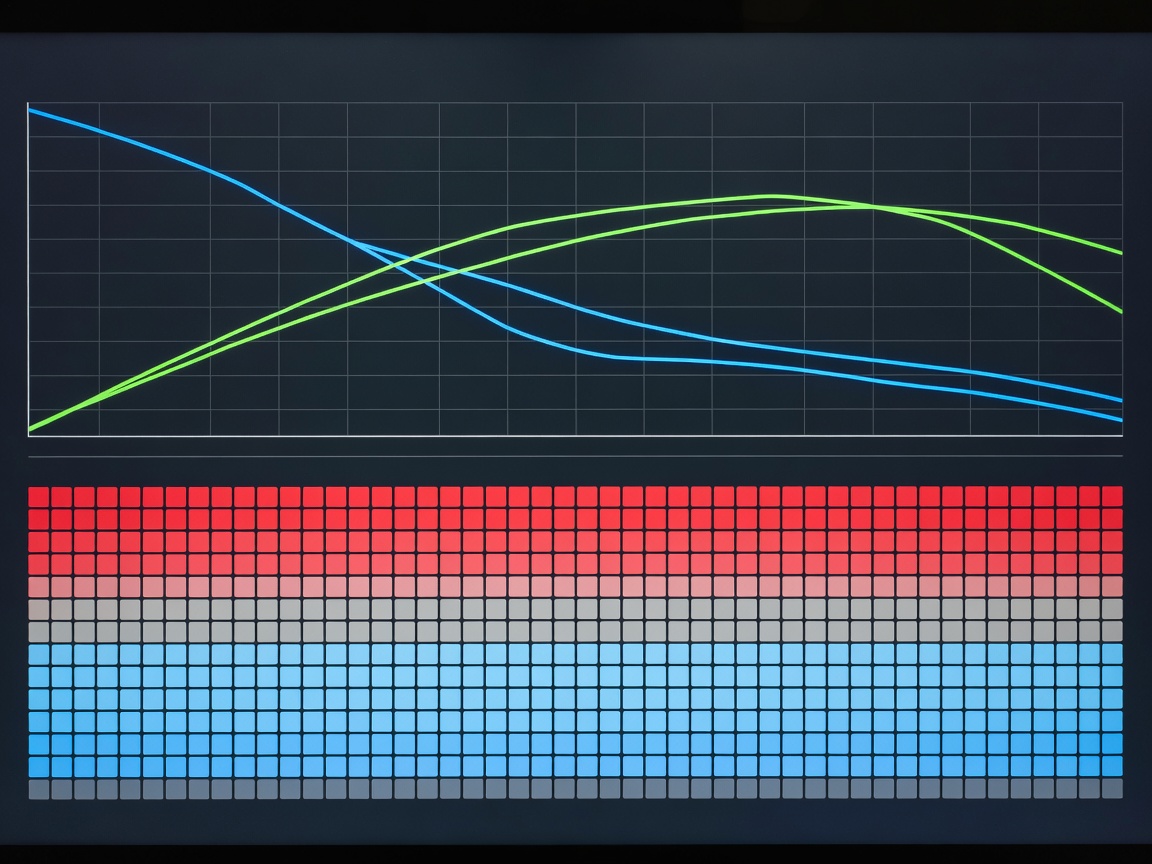
Contamination checks, synthetic task design, elicitation variance, and frontier capability thresholds under HELM and inspect-eval frameworks.
Read Field Note →Frontier model deployments exhibit latent failure modes, circuit misalignment, and behavioral drift. Empirical verification requires rigorous benchmarks, mechanistic scrutiny, and systematic red-teaming prior to autonomous orchestration.
Model capability outpaces safety assurances. Standard telemetry obscures deceptive alignment, multi-turn jailbreak escalation, and reward model exploitation. Independent technical auditing delivers verifiable measurement over speculative claims.

Field notes examining failure modes, inspection protocols, and governance standards.
Contamination checks, synthetic task design, elicitation variance, and frontier capability thresholds under HELM and inspect-eval frameworks.
Read Field Note →
Sparse autoencoders, causal mediation analysis, linear representation extraction, and polysemanticity mitigation across transformer layers.
Read Field Note →
Automated gradient-based jailbreaks, universal adversarial suffixes, roleplay bypasses, and cyber-risk elicitation in production weights.
Read Field Note →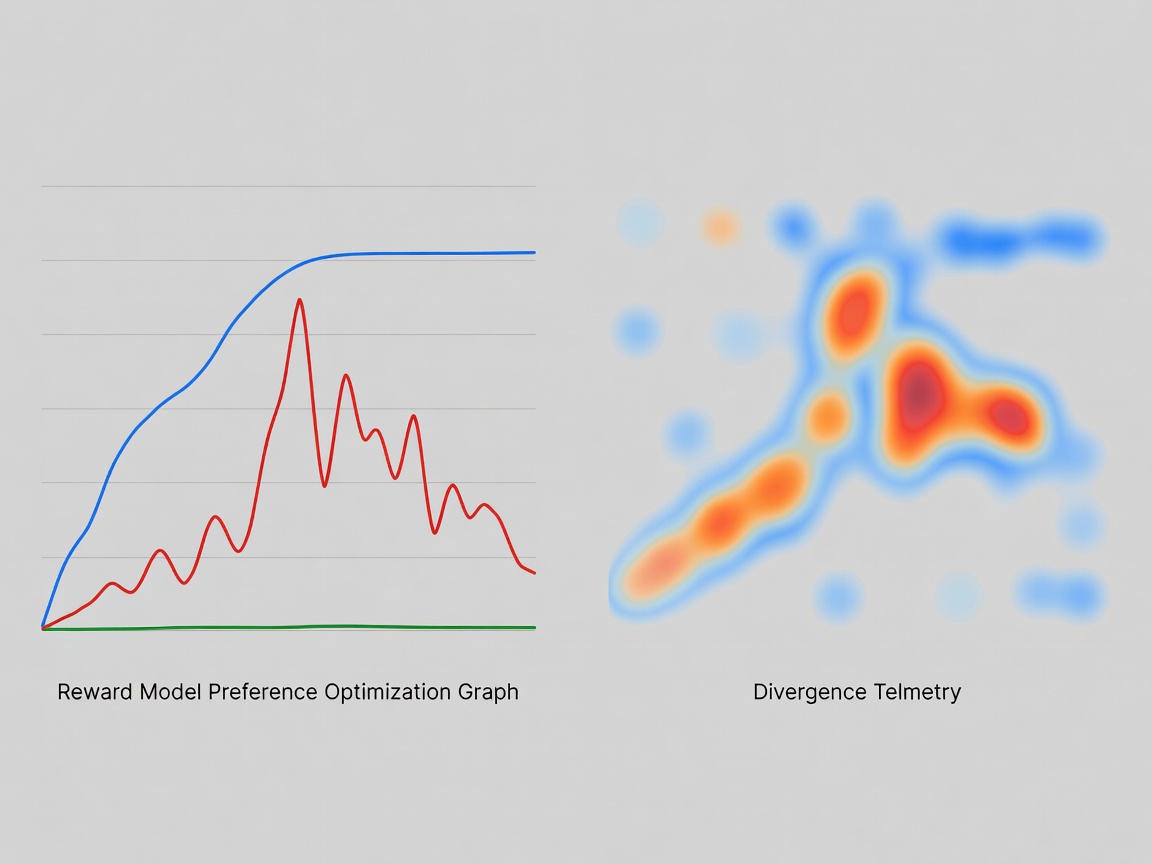
Reward hacking dynamics, length-bias exploitation, sycophancy patterns, and Direct Preference Optimization degradation metrics.
Read Field Note →
High-risk system classification, systemic risk containment under the EU AI Act, NIST AI RMF profiles, and third-party audit documentation.
Read Field Note →Auditing neural network behaviors requires distinct separation between developer intent and parameter reality. Parameter weights do not encode semantic guarantees; they encode conditional probability distributions optimized against proxy loss objectives.
Production environments introduce distribution shift, multi-agent feedback loops, and unexpected tool invocations. Routine automated smoke tests fail to isolate persistent deceptive behaviors or instrumental convergence.
Audits execute across three interdependent planes: behavioral surface testing, internal representational decoding, and structural institutional governance. Isolating one plane while ignoring the others yields deceptive safety scores.
Third-party consultancy provides external verification free from developer commercial deployment milestones. Findings document specific activation vectors, reproducible prompts, and verifiable failure boundaries.